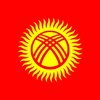
Below is the full, detailed academic schedule used across Kyrgyz medical universities offering the 6-year MD / General Medicine program.
Kyrgyzstan’s medical education system is aligned with post-Soviet medical standards, increasingly transitioning toward the Bologna / ECTS and WFME accreditation.
Major universities offering MD (General Medicine):
- Kyrgyz State Medical Academy (KSMA) – I.K. Akhunbaev
- Kyrgyz-Russian Slavic University (KRSU)
- International Medical University (IMU)
- Asian Medical Institute (ASMI)
- Osh State University – International Medical Faculty
- Jalal-Abad State University (JASU)
All follow a 6-year integrated medical program similar to Kazakhstan, Uzbekistan, and Belarus.
🇰🇬 FULL ACADEMIC SCHEDULE — KYRGYZ MEDICAL UNIVERSITIES (MD – 6 YEARS)
(~360 ECTS equivalent; local credit units differ by university)
📘 DETAILED 6-YEAR MEDICAL CURRICULUM TABLE (KYRGYZSTAN)
(Semester-by-semester, unified format)
| Year | Sem | Module Groups | Detailed Subjects / Components | Skills & Competencies |
|---|---|---|---|---|
| 1 | Sem 1 | Basic Biomedical Foundations | Anatomy I, Histology I, Biology, Biophysics, General Chemistry, Latin Language, Kyrgyz/Russian | Dissection, microscopy, scientific fundamentals |
| Sem 2 | Basic Sciences II | Anatomy II, Histology II, Physiology I, Biochemistry I, Medical Ethics | Introduction to normal function & professionalism | |
| 2 | Sem 3 | Organ Structure & Function | Physiology II, Biochemistry II, Genetics, Embryology, Immunology I | Integration of normal systems |
| Sem 4 | Preclinical Foundations | Microbiology I, Public Health I, Epidemiology (intro), Hygiene, First Aid | Foundations of community health | |
| 3 | Sem 5 | Mechanisms of Disease I | General Pathology, Systemic Pathology, Microbiology II, Parasitology | Disease mechanisms & host–pathogen interactions |
| Sem 6 | Diagnostic & Early Clinical Skills | Pharmacology I–II, Pathophysiology, Radiology basics, Laboratory Diagnostics, Clinical Skills I | History-taking, physical exam; OSCE-style training | |
| 4 | Sem 7 | Core Clinical Disciplines I | Internal Medicine I, General Surgery I, Neurology I, Psychiatry I, Dermatology | Bedside rounds, diagnostic reasoning |
| Sem 8 | Organ-System Clinical Rotations | Pediatrics I, Obstetrics & Gynecology I, ENT, Ophthalmology, Infectious Diseases (TB highly emphasized) | Specialty exposure; clinical case discussions | |
| 5 | Sem 9 | Clinical Rotations II | Internal Medicine II, Surgery II, Orthopedics & Traumatology, Emergency Medicine, Anesthesiology & ICU | Procedural skills; acute care |
| Sem 10 | Advanced Clinical Modules | Cardiology, Pulmonology, Gastroenterology, Endocrinology, Hematology, Oncology, Family Medicine | Complex diagnostic & therapeutic skills | |
| 6 | Sem 11 | Internship / Practical Year – Part I | Long rotations: Internal Medicine, Surgery, Pediatrics | Semi-independent clinical work under supervision |
| Sem 12 | Internship – Part II | OB/GYN, Emergency Medicine, Primary Care / GP, Electives | Night duties, advanced clinical competencies | |
| — | — | State Final Examination | Written + oral + OSCE-type clinical exam | Required for MD qualification |
🎓 AFTER COMPLETION
| Component | Description |
|---|---|
| Degree Awarded | Doctor of Medicine (MD / врач / дарыгер) |
| Licensing Pathway | National medical licensing exam + completion of internship |
| Residency (Ordinatura) | 2–4 years depending on specialty |
| International Recognition | Many programs seek WFME accreditation (IMED/FAIMER), enabling eligibility for USMLE, PLAB, Gulf exams, etc. |
📝 Notes on Kyrgyz Medical Education
- Many universities teach in English, especially for international students.
- Strong emphasis on infectious diseases (TB, HIV, viral hepatitis), public health, and community medicine.
- KSMA and KRSU have the most traditional academic structure; newer universities follow modular systems.
Explore available Kyrgyz medical universities