Human Anatomy
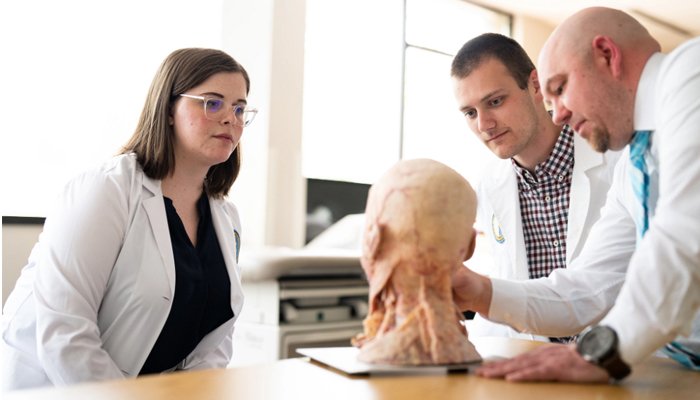
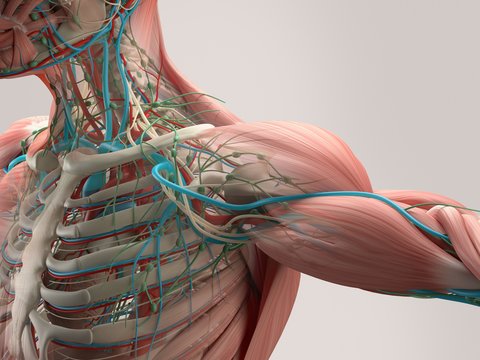
Course Overview: The Human Anatomy course provides medical students with a foundational understanding of the structure of the human body, integrating gross anatomy, microscopic anatomy, and clinical applications. It is designed to develop both knowledge and practical skills necessary for clinical reasoning, diagnosis, and medical practice. The course combines lectures, laboratory dissections, imaging workshops, and clinical case discussions, providing students with hands-on experience in identifying anatomical structures and understanding their relevance to patient care. Course Objectives: By the end of this course, students should be able to: Demonstrate comprehensive knowledge of human anatomy, including bones, muscles, organs, vessels, and nerves. Apply anatomical knowledge to clinical practice, interpreting symptoms and findings in the context of underlying structures. Identify and describe major body systems (musculoskeletal, cardiovascular, respiratory, nervous, digestive, urinary, and reproductive). Develop spatial and visual understanding of anatomical relationships through cadaver dissections, imaging studies, and 3D models. Demonstrate professionalism and safety in laboratory settings. Integrate anatomy with pathology and physiology to support clinical decision-making. Course Content: 1. Introduction to Anatomy Anatomical terminology, planes, and directional terms Body cavities and organ systems Tissue types: epithelial, connective, muscle, nervous 2. Regional Anatomy Back and Upper Limb: Vertebral column, muscles, nerves, vessels Head and Neck: Skull, facial bones, muscles, cervical structures, sensory organs Thorax and Abdomen: Thoracic cage, heart, lungs, GI tract, liver, kidneys Pelvis and Lower Limb: Pelvic bones, reproductive organs, muscles, nerves, vessels 3. Systemic Anatomy Musculoskeletal, circulatory, nervous, respiratory, digestive, urinary, reproductive systems Integration of systems in clinical scenarios 4. Clinical Correlations Case-based discussions linking anatomy to pathophysiology Interpretation of imaging (X-ray, CT, MRI, ultrasound) Anatomical basis of common medical procedures and surgeries 5. Laboratory and Practical Work Cadaver dissection for hands-on anatomical exploration Anatomical models and 3D software Imaging workshops and ultrasound anatomy Simulated clinical procedures to link theory and practice Assessment Methods: Written examinations (MCQs, short answer questions) Practical assessments (identification on cadavers/models) Learning Outcomes: Upon completion, students will be able to: Accurately identify and describe anatomical structures and their relationships Apply anatomical knowledge to diagnose and understand medical conditions Integrate anatomy with clinical reasoning for patient care Use imaging and laboratory skills to support medical decision-making Recommended Resources: Textbooks: Gray’s Anatomy for Students, Moore’s Clinically Oriented Anatomy, Netter’s Atlas of Human Anatomy Digital Tools: Visible Body, Kenhub, Anatomy.TV Supplemental: Clinical case manuals, dissection guides, online lectures This course serves as a core foundation for all subsequent medical education, bridging basic sciences with clinical medicine and preparing students for exams, clinical rotations, and future medical practice.
Human Anatomy Otorhinolaryngology
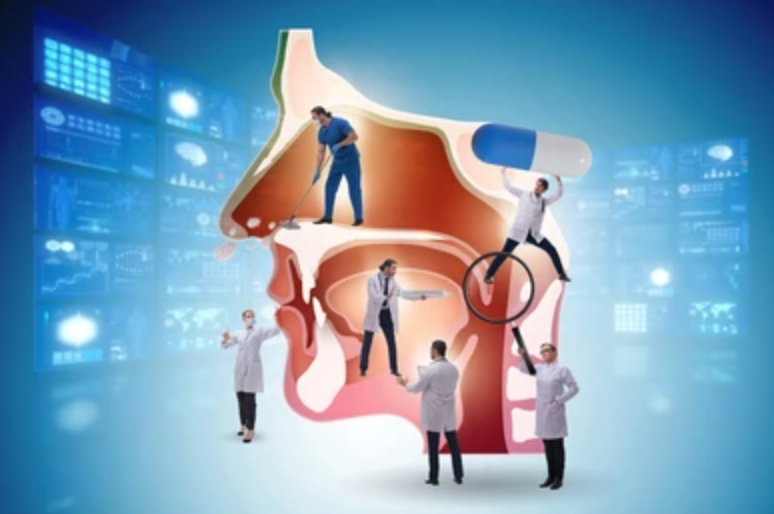
The Otorhinolaryngology (ENT) course provides an in-depth understanding of the anatomy, physiology, pathology, diagnosis, and management of ear, nose, throat, head, and neck disorders. It aims to train medical students to identify and treat common ENT diseases, recognize emergencies, and understand their systemic relationships. The course combines theoretical lectures, clinical sessions, outpatient exposure, and surgical demonstrations, enabling students to develop both diagnostic reasoning and practical clinical skills. It serves as a bridge between the preclinical sciences (anatomy, physiology, pathology, pharmacology) and clinical practice. Course Structure The course is divided into two semesters, covering the following areas: Semester 1 – General Principles and Otology This semester introduces students to the basic principles of ENT, including clinical examination techniques, instruments, and patient evaluation.Students study the anatomy and physiology of the ear and learn to identify and manage diseases affecting hearing and balance. Key topics include: Anatomy and physiology of the external, middle, and inner ear Ear examination and audiological assessment Acute and chronic otitis media, otosclerosis, and vestibular disorders Noise-induced hearing loss, Meniere’s disease, and ototoxicity Principles of hearing rehabilitation and cochlear implantation Practical training includes otoscopy, tuning fork tests, and interpretation of audiometry. Semester 2 – Rhinology, Laryngology, and Head & Neck Surgery This semester focuses on diseases of the nose, paranasal sinuses, pharynx, larynx, and neck.Students learn the clinical features, investigations, and management of upper airway and head–neck conditions, emphasizing early detection of malignant and life-threatening disorders. Main areas include: Anatomy and physiology of the nasal cavity, paranasal sinuses, pharynx, and larynx Rhinitis, sinusitis, nasal polyps, and nasal obstruction Tonsillitis, pharyngitis, and adenoid hypertrophy Laryngitis, vocal cord lesions, laryngeal carcinoma, and airway obstruction Thyroid and salivary gland disorders Neck masses and congenital cysts ENT emergencies: epistaxis, airway obstruction, foreign bodies Clinical exposure includes ENT clinics, operating theater participation, and emergency management drills. Clinical and Practical Components Students attend hospital-based teaching sessions, including: Outpatient department (OPD) postings Ward rounds and case discussions Observation of surgeries such as tonsillectomy, septoplasty, tracheostomy, and FESS Demonstrations of diagnostic tools (nasal endoscopy, indirect laryngoscopy, audiometry) Interpretation of radiological and endoscopic findings Practical sessions emphasize history taking, ENT examination techniques, and formulation of differential diagnoses. Learning Outcomes By the end of the course, students will be able to: Describe normal and pathological anatomy and physiology of ENT organs. Perform complete ENT examinations and interpret findings accurately. Diagnose and manage common ENT conditions in outpatient and emergency settings. Recognize ENT manifestations of systemic diseases. Manage ENT emergencies promptly and effectively. Demonstrate understanding of surgical principles and postoperative care. Communicate effectively with patients and healthcare teams while maintaining ethical standards. Course Integration This course complements Ophthalmology, Internal Medicine, and General Surgery, forming a crucial part of the clinical training phase. It provides foundational knowledge for further specialization in ENT, head and neck surgery, audiology, and otoneurology.
Otorhinolaryngology Physiology
The Human Physiology course provides an in-depth study of the normal functions of the human body’s organ systems and the mechanisms regulating them. The course emphasizes the integration of physiological processes that maintain homeostasis and explores how various systems interact to sustain life. Students will gain a strong foundation for understanding pathological conditions and clinical medicine. The course is divided into two semesters and includes both theoretical lectures and practical laboratory sessions that demonstrate physiological principles through experiments, simulations, and clinical case discussions. Learning Objectives By the end of the course, students should be able to: Explain the physiological principles underlying the functions of major organ systems. Describe the mechanisms of cellular communication, membrane potentials, and muscle physiology. Understand blood composition and hemodynamics, including cardiac function and regulation. Analyze the control of respiration, renal function, digestion, and endocrine activity. Integrate knowledge of neurophysiology and sensory mechanisms. Relate physiological principles to clinical and pathological conditions. Course Outline (Detailed Syllabus) 1. Introduction to Physiology Definition, scope, and levels of organization Homeostasis and control systems Body fluids and their regulation 2. Cell Physiology Structure and function of the cell membrane Transport mechanisms (diffusion, osmosis, active transport) Resting membrane potential and action potential 3. Blood Physiology Composition and functions of blood Erythropoiesis, hemoglobin, and anemia White blood cells, immunity, and hemostasis Blood groups and transfusion principles 4. Nerve and Muscle Physiology Structure and function of neurons Synaptic transmission and neurotransmitters Types of muscle (skeletal, cardiac, smooth) and excitation-contraction coupling 5. Autonomic Nervous System Sympathetic and parasympathetic divisions Neurotransmitters and physiological effects 6. Cardiovascular Physiology Structure and properties of the heart Cardiac cycle and cardiac output Blood pressure and its regulation Microcirculation and lymphatic system 7. Respiratory Physiology Mechanics of breathing Gas exchange and transport Regulation of respiration Pulmonary function tests 8. Renal Physiology Structure and function of the nephron Glomerular filtration, tubular reabsorption, and secretion Regulation of body fluids and electrolytes Acid-base balance 9. Gastrointestinal Physiology Organization of the GI tract Digestive secretions and motility Absorption and control of digestion 10. Endocrine Physiology Hormone classification and mechanisms of action Regulation of metabolism, growth, and reproduction Pituitary, thyroid, adrenal, pancreatic, and gonadal hormones 11. Reproductive Physiology Male and female reproductive systems Menstrual cycle and hormonal regulation Fertilization, pregnancy, and lactation 12. Neurophysiology and Special Senses Functional organization of the nervous system Reflexes and higher brain functions Vision, hearing, taste, and smell physiology Teaching and Learning Methods Theoretical lectures with audiovisual aids Practical experiments in physiology lab Small group discussions and problem-based learning Clinical case studies linking physiology with pathology Assessment Methods Midterm and final written exams (MCQs, short and long essays) Practical examinations Continuous assessments (quizzes, assignments, participation) Course Duration: Full academic year (two semesters) Prerequisites: Basic knowledge of biology, chemistry, and histology
Physiology Trauma & Emergency Surgery
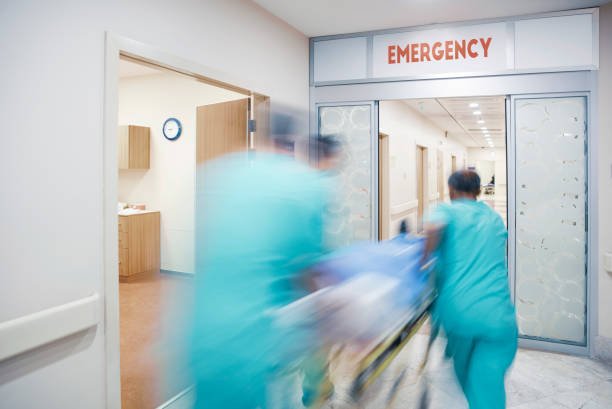
The Trauma & Emergency Surgery course is designed to equip medical students with a thorough understanding of the evaluation, management, and surgical treatment of patients presenting with acute injuries and life-threatening emergencies. As an independent course within the medical curriculum, it integrates basic sciences—including the pathophysiology of trauma, shock, hemostasis, wound healing, and the systemic stress response—with the clinical and surgical principles necessary for effective patient care in emergency settings. Students are introduced to a wide range of trauma scenarios, including head, chest, abdominal, pelvic, musculoskeletal, and spinal injuries, as well as vascular trauma and burns. Emphasis is placed on early recognition, rapid assessment, and prioritization of life-threatening conditions, following internationally accepted trauma protocols such as the ABCDE approach. The course also covers pediatric and geriatric trauma, highlighting age-specific anatomical and physiological considerations, as well as trauma-related infections and sepsis management. Practical learning is a core component of the course. Students engage in clinical rotations, emergency department observations, bedside teaching, and operating theatre exposure, where they learn to perform focused trauma assessments, interpret diagnostic imaging, apply resuscitation techniques, and understand indications for emergency surgical interventions. The course also introduces prehospital care and mass casualty management, providing insight into triage, disaster preparedness, and resource allocation in high-pressure environments. By the end of the course, students are expected to: Conduct a structured primary and secondary survey in trauma patients. Recognize and respond to life-threatening emergencies. Understand the principles of resuscitation, hemostasis, and damage control surgery. Demonstrate awareness of multidisciplinary approaches to trauma care, including coordination with critical care, radiology, and emergency teams. Integrate knowledge of pathophysiology and clinical findings to prioritize management decisions effectively. This course provides medical students with the essential knowledge, skills, and clinical judgment required to manage acute surgical emergencies safely and efficiently, preparing them for both hospital-based practice and future specialization in surgery, critical care, or emergency medicine.
Trauma & Emergency Surgery Vascular Surgery
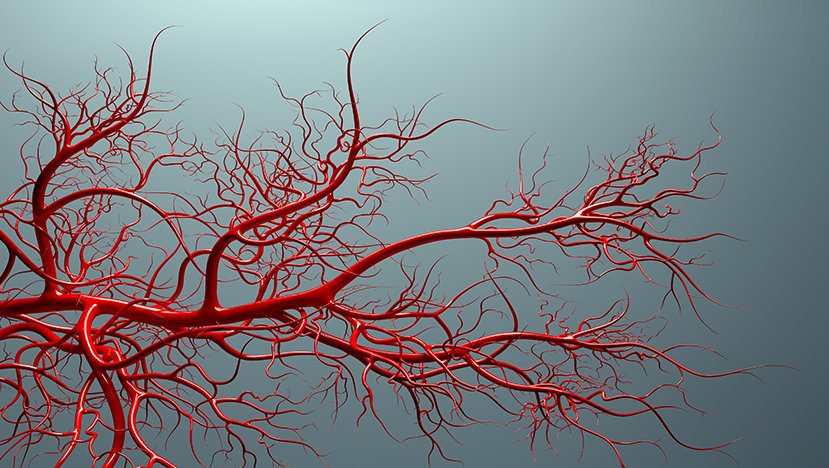
The Vascular Surgery course provides medical students with a comprehensive understanding of the surgical and clinical management of diseases affecting the arterial, venous, and lymphatic systems. As an integral component of the General Surgery curriculum, this course emphasizes both the basic science foundations—including vascular anatomy, hemodynamics, and pathophysiology—and the practical skills required to assess and manage vascular disorders in a clinical setting. Students are introduced to a broad spectrum of conditions, including peripheral arterial disease, aneurysmal disorders, venous insufficiency, deep vein thrombosis, vascular trauma, and lymphatic disorders. The course also covers emergent situations, such as ruptured aneurysms and acute limb ischemia, highlighting the importance of timely diagnosis, stabilization, and decision-making in critical cases. Pediatric and adult vascular pathologies are integrated, ensuring students develop a well-rounded perspective on the specialty. Emphasis is placed on clinical assessment, where students learn to perform focused vascular examinations, interpret non-invasive and imaging studies, and recognize early signs of ischemia, thrombosis, or compromised perfusion. Practical exposure includes outpatient clinic observations, bedside teaching, and operating room experience, where students observe procedures ranging from open surgical repairs to endovascular interventions. Core principles of vascular access surgery, graft management, and perioperative care are also introduced to provide a holistic understanding of patient management. By the end of the course, students are expected to: Demonstrate competence in vascular history-taking and examination. Understand the pathophysiology and natural history of major vascular diseases. Recognize and respond to vascular emergencies. Integrate knowledge of diagnostic imaging and laboratory investigations into clinical decision-making. Develop an awareness of multidisciplinary approaches, including collaboration with interventional radiology, cardiology, and intensive care teams. This course equips future physicians with essential competencies for both surgical and non-surgical specialties, ensuring they can provide safe, evidence-based care for patients with vascular conditions across a variety of clinical environments.
Vascular Surgery Surgical Oncology
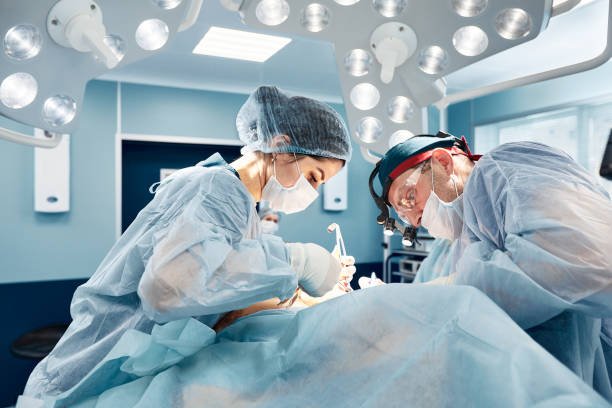
The Surgical Oncology course is designed to provide medical students with a comprehensive understanding of the evaluation, diagnosis, and surgical management of patients with malignant diseases. As an independent course within the medical curriculum, it integrates basic sciences, including cancer biology, tumor pathophysiology, genetics, and the principles of metastasis, with clinical and operative surgical principles essential for safe and effective oncologic care. Students are exposed to a wide spectrum of malignancies, including gastrointestinal, breast, thoracic, head and neck, genitourinary, soft tissue, bone, and pediatric cancers. Emphasis is placed on understanding tumor biology, staging and grading systems, indications for biopsy, imaging interpretation, and surgical resection with oncologic principles such as adequate margins, lymph node clearance, and organ preservation when appropriate. Practical exposure is a key component of the course. Students participate in clinical rotations, outpatient clinics, tumor boards, and operative observations, allowing them to understand preoperative assessment, intraoperative decision-making, and postoperative care. The course also addresses oncologic emergencies—including spinal cord compression, bowel obstruction, superior vena cava syndrome, and tumor-related hemorrhage—highlighting the importance of rapid assessment and multidisciplinary management. Additionally, students learn about minimally invasive and endoscopic oncologic procedures, principles of robotic surgery, and the role of palliative surgical interventions in advanced or terminal disease, including symptom control, pain management, and ethical considerations in end-stage cancer care. Pediatric oncology is integrated to familiarize students with age-specific malignancies, such as neuroblastoma, Wilms tumor, hepatoblastoma, and rhabdomyosarcoma. By the end of the course, students are expected to: Conduct structured oncologic history-taking and physical examination. Understand the biological behavior and staging of major cancers. Recognize and respond appropriately to oncologic emergencies. Demonstrate awareness of multidisciplinary approaches in surgical oncology, including collaboration with medical oncology, radiation oncology, radiology, and pathology. Apply knowledge of operative principles to plan and observe safe oncologic surgical interventions. This course equips future physicians with the essential knowledge, clinical judgment, and foundational surgical skills necessary to provide evidence-based, safe, and patient-centered care to individuals with cancer across diverse clinical settings.
Surgical Oncology Pulmonology
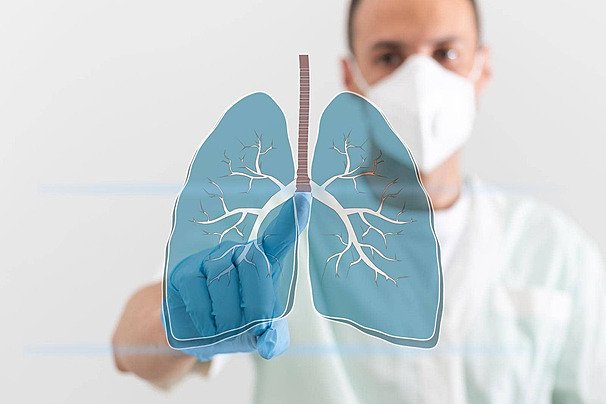
This course provides medical students with a comprehensive understanding of diseases affecting the respiratory system, combining fundamental scientific principles with clinical practice. Students will learn the mechanisms, diagnosis, and management of respiratory disorders, including airway diseases, infections, interstitial and pleural diseases, pulmonary vascular disorders, and respiratory emergencies. The program emphasizes bedside learning, interpretation of respiratory investigations, and patient-centered care within a multidisciplinary clinical environment. Course Objectives: By the end of the course, students should be able to: Understand the structure, physiology, and pathophysiology of the respiratory system. Perform a detailed history and physical examination for patients with respiratory symptoms. Interpret key diagnostic tests such as chest X-rays, CT scans, pulmonary function tests, and ABG analysis. Diagnose and manage common respiratory diseases (asthma, COPD, pneumonia, tuberculosis, pleural effusion). Identify and treat acute respiratory emergencies and failure. Understand preventive, occupational, and environmental aspects of lung diseases. Communicate effectively and ethically with patients and healthcare teams. Course Modules (Summary of Content): Introduction & Diagnostic Methods Airway Diseases (Asthma, COPD, Bronchiectasis) Respiratory Infections (Pneumonia, TB, Lung Abscess) Interstitial & Occupational Lung Diseases Pleural Diseases Pulmonary Vascular Disorders (PE, PH, Cor Pulmonale) Lung Tumors and Neoplasms Sleep-Related Breathing Disorders Acute Respiratory Failure & ARDS Preventive and Community Pulmonology Teaching & Learning Methods: Lectures: Pathophysiology, diagnostics, and management of respiratory diseases Clinical Rounds: Bedside examination and discussion of inpatients Radiology Workshops: Interpretation of X-rays and HRCT scans Spirometry and ABG Practical Sessions Seminars and Case Discussions: Problem-based learning and interactive tutorials Simulation Training: Emergency airway management and mechanical ventilation principles Clinical Rotation Activities: Duration: 4–6 weeks Departments: Respiratory wards, ICU, outpatient clinics, and TB units Exposure: History taking and physical examination Interpretation of radiological and laboratory data Case presentation and differential diagnosis formulation Management planning and follow-up evaluation Assessment Methods: Written Examination: MCQs, short essays, and case-based questions Clinical/Oral Examination: Bedside case discussion and viva Practical Assessment: Spirometry interpretation, ABG analysis, X-ray reading Continuous Assessment: Attendance, case participation, and mini-clinical evaluation exercises (Mini-CEX) Skills Acquired: Competence in performing respiratory examination Ability to interpret chest imaging and pulmonary tests Recognition and management of respiratory emergencies Understanding of antibiotic and oxygen therapy principles Basic knowledge of ventilatory support Recommended Textbooks & References: Harrison’s Principles of Internal Medicine (Pulmonology Section) Murray & Nadel’s Textbook of Respiratory Medicine Kumar and Clark’s Clinical Medicine Chest X-Ray Made Easy by Jonathan Corne GOLD Guidelines for COPD and GINA Guidelines for Asthma Learning Outcomes: Upon completing this course, the student will be able to: Apply theoretical knowledge to clinical decision-making in respiratory medicine. Diagnose and manage patients with common and critical respiratory disorders. Interpret respiratory investigations accurately and correlate findings with clinical presentation. Implement preventive strategies for respiratory diseases in clinical and community settings. Demonstrate ethical, professional, and evidence-based medical practice.
Pulmonology Biochemistry
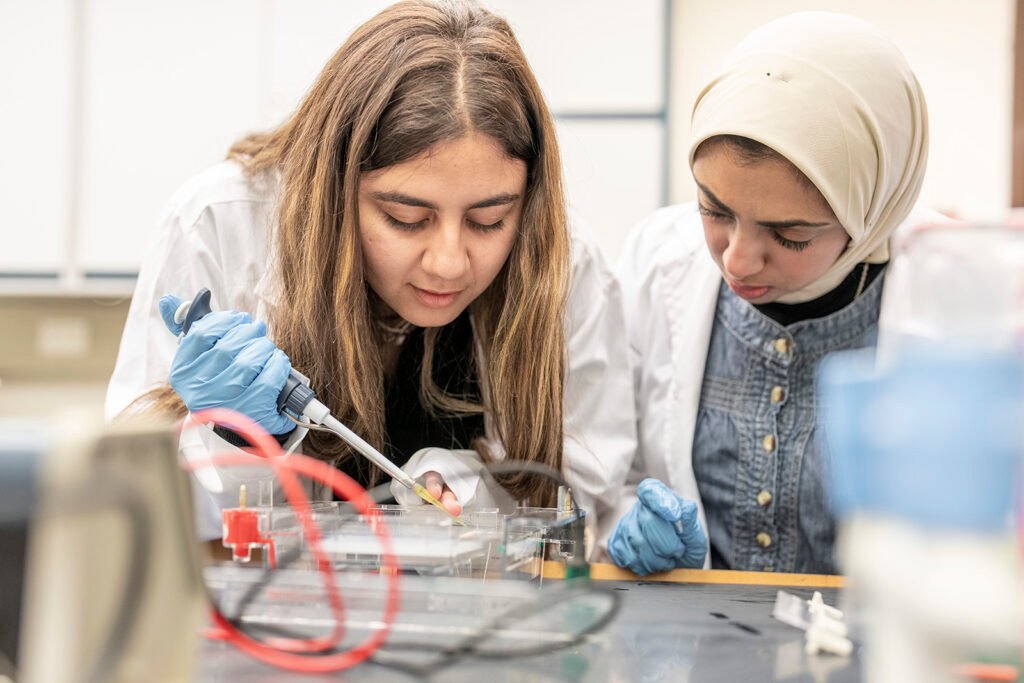
The Medical Biochemistry course explores the molecular and chemical foundations of life and their direct relevance to human health and disease. It provides an integrated understanding of the structure and function of biomolecules, the organization and regulation of metabolic pathways, and the biochemical mechanisms underlying cellular and systemic physiology. Students will study how carbohydrates, lipids, proteins, nucleic acids, and vitamins participate in vital biochemical processes, and how disturbances in these processes lead to metabolic disorders. The course also emphasizes bioenergetics, enzymology, molecular biology, and clinical biochemistry, linking fundamental science with practical applications in diagnosis and treatment. Practical sessions are designed to develop essential laboratory skills, including the use of biochemical techniques for analyzing blood and body fluids, enzyme assays, and metabolic testing. Through lectures, case studies, and hands-on experiments, students gain the ability to interpret biochemical results in a clinical context, bridging basic science with medical practice. Learning Objectives By the end of this course, students should be able to: Explain the molecular structure, function, and interactions of biological macromolecules. Describe the metabolism of carbohydrates, lipids, amino acids, and nucleotides, and their integration in normal and altered physiological states. Understand enzyme kinetics, mechanisms, regulation, and clinical applications of enzymes as diagnostic markers. Recognize the biochemical roles of vitamins, minerals, and hormones in metabolic regulation. Explain the molecular basis of genetic information, DNA replication, transcription, translation, and mutations. Interpret laboratory results and biochemical investigations used in clinical diagnosis. Apply biochemical concepts to understand the pathophysiology of common diseases such as diabetes mellitus, liver dysfunction, renal failure, and metabolic syndromes. Demonstrate competence in basic biochemical laboratory techniques and safety. Course Format Lectures: Covering theoretical and conceptual aspects of biochemical systems. Laboratory Sessions: Practical exercises on enzyme activity, qualitative and quantitative analysis of biomolecules, and interpretation of clinical tests. Tutorials / Case Studies: Discussion of biochemical abnormalities and clinical case interpretation. Independent Study: Reading assignments, problem sets, and use of biochemical atlases and lab manuals. Assessment Methods Written Exams: MCQs, structured short-answer, and essay questions assessing understanding and integration of concepts. Practical Exams: Lab-based tests to assess experimental skills and data interpretation. Continuous Assessment: Quizzes, assignments, lab reports, and class participation. Final Comprehensive Exam: Theoretical and practical evaluation integrating all course units. Prerequisites Basic Biochemistry and Cell Biology (from the first year of medical studies) Learning Outcomes Upon successful completion, students will have: A solid understanding of human biochemical processes at the molecular and cellular levels. The ability to connect biochemical alterations with pathological conditions. The foundational biochemical knowledge required for further study in Physiology, Pathology, Pharmacology, and Clinical Medicine.
Biochemistry Gastroenterology & Hepatology
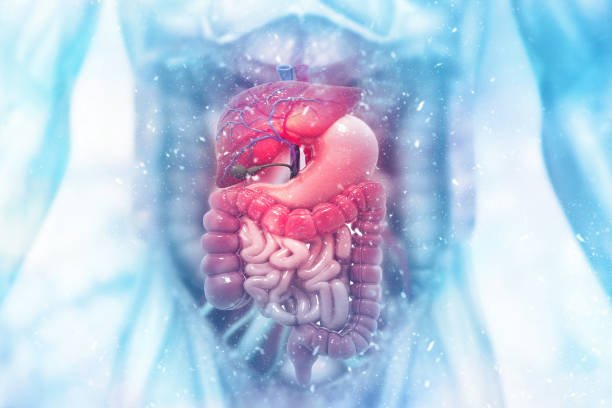
This course provides a comprehensive understanding of the gastrointestinal (GI) and hepatobiliary systems, combining basic scientific knowledge with clinical application. Students will learn the pathophysiology, diagnosis, and management of common and complex GI and liver diseases. The program emphasizes hands-on clinical experience, including abdominal examination, endoscopic observation, interpretation of laboratory and imaging results, and management of acute GI and hepatic emergencies. Students will also acquire knowledge of preventive strategies, nutritional considerations, and public health aspects of GI and liver disorders. Course Objectives: By the end of this course, students should be able to: Understand the anatomy, physiology, and pathophysiology of the gastrointestinal and hepatobiliary systems. Perform thorough history-taking and physical examination focused on abdominal and hepatic complaints. Interpret laboratory investigations (liver function tests, pancreatic enzymes, stool analysis) and imaging studies (ultrasound, CT, MRI, endoscopy). Diagnose and manage common GI diseases, including GERD, peptic ulcer disease, IBD, celiac disease, and functional disorders. Recognize and treat hepatic diseases, including viral hepatitis, NAFLD, cirrhosis, and liver failure. Manage pancreatic and biliary disorders such as pancreatitis, cholelithiasis, and cholangitis. Identify and respond to gastrointestinal and hepatic emergencies, including GI bleeding, acute liver failure, and perforation. Apply preventive measures, lifestyle interventions, and public health strategies to reduce GI and hepatic disease burden. Demonstrate ethical, professional, and effective communication skills in patient care. Course Content (Summary of Modules): Introduction & Diagnostic Techniques (Lab tests, imaging, endoscopy) Esophageal Disorders (GERD, achalasia, esophagitis, Barrett’s esophagus) Gastric Disorders (Peptic ulcer disease, gastritis, gastric cancer) Small & Large Intestine Disorders (IBD, celiac disease, IBS, infections, colorectal cancer) Liver Diseases (Viral hepatitis, NAFLD/NASH, cirrhosis, autoimmune liver disease, transplantation basics) Pancreatic & Biliary Disorders (Pancreatitis, pancreatic cancer, gallstones, cholangitis, ERCP) Gastrointestinal Bleeding (Upper & lower GI bleeding, endoscopic management) Malabsorption & Nutritional Disorders GI & Hepatic Emergencies (Acute liver failure, acute GI bleeding, perforation, obstruction) Preventive & Community Gastroenterology (Vaccinations, lifestyle, public health interventions) Clinical Rotations & Bedside Training Teaching Methods: Lectures: Core pathophysiology and management principles Clinical Rounds: Bedside teaching and ward-based case discussions Endoscopy Observation & Workshops Imaging & Lab Interpretation Sessions Case-Based Discussions & Problem-Solving Seminars Simulation & Emergency Management Training Clinical Rotation Activities: Duration: 4–6 weeks Locations: GI wards, liver unit, endoscopy suite, outpatient clinics Activities: Abdominal and systemic examination Case presentations and differential diagnosis formulation Interpretation of lab tests, imaging, and endoscopic findings Formulation of management and follow-up plans Assessment Methods: Written Exams: MCQs, short answer questions, case-based essays Clinical/Oral Exam: Bedside case discussion and viva Practical Assessment: Lab interpretation, imaging review, endoscopy observation Continuous Assessment: Participation in rounds, case presentations, mini-CEX Skills Acquired: Proficiency in abdominal and hepatic examination Interpretation of liver function tests, pancreatic enzymes, stool analysis Diagnostic interpretation of abdominal imaging and endoscopy Recognition and initial management of GI and hepatic emergencies Counseling on nutrition, lifestyle, and preventive health measures Recommended Textbooks & References: Harrison’s Principles of Internal Medicine – Gastroenterology & Hepatology Sections Sleisenger and Fordtran’s Gastrointestinal and Liver Disease Oxford Handbook of Gastroenterology & Hepatology Clinical Gastroenterology – Kumar & Clark Gastrointestinal…
Gastroenterology & Hepatology Pathoanatomy
The Medical Pathoanatomy course provides a comprehensive understanding of the structural changes in tissues and organs caused by disease, bridging the gap between basic pathology and clinical medicine. The course focuses on both gross (macroscopic) and microscopic pathological alterations, allowing students to recognize, describe, and interpret structural changes in the context of clinical presentations. Designed for second- and third-year medical students, the course integrates theoretical lectures, laboratory practicals, and case-based learning. Students explore disease mechanisms at the cellular, tissue, and organ levels, including inflammation, necrosis, repair, hemodynamic disorders, and neoplastic processes. The curriculum systematically covers all major organ systems, including cardiovascular, respiratory, renal, gastrointestinal, endocrine, reproductive, nervous, and musculoskeletal systems, as well as hematopoietic, immunologic, infectious, and neoplastic diseases. Through histopathology slides, autopsy specimens, and clinical case discussions, students develop the ability to correlate anatomical changes with pathophysiological mechanisms and clinical manifestations. By the end of the course, students are expected to: Identify and describe macroscopic and microscopic pathological findings. Correlate structural changes with clinical signs, symptoms, and laboratory findings. Understand the histological basis of inflammation, repair, necrosis, and tumor development. Apply knowledge of pathoanatomy to interpret surgical and autopsy specimens. Integrate knowledge across organ systems to understand complex disease processes. Develop analytical skills for problem-solving in clinical and laboratory settings. The course emphasizes an integrated, system-based approach, preparing students for clinical rotations, pathology labs, and future medical practice. Practical sessions reinforce theoretical knowledge through hands-on experience in histology, gross pathology, and diagnostic techniques.
Pathoanatomy